
Sustainable Travel in Raja Ampat: How Katembe Private Island Leads Eco-Friendly Tourism in Indonesia
Raja Ampat is often described as the last paradise on Earth — a pristine region where coral reefs burst with color, turquoise waters stretch endlessly, and marine life thrives at unmatched levels. But this globally important ecosystem is extremely fragile. As tourism grows, sustainable travel in Raja Ampat has become essential to protecting its rare biodiversity.
Among the region’s eco-conscious accommodations, Katembe Private Island stands out as a leading example of a sustainable resort in Raja Ampat, proving that responsible tourism and comfort can go hand in hand.
Eco-Friendly Resort in Raja Ampat: Katembe’s Eco-Living Philosophy
At the heart of Katembe Private Island is a powerful commitment:
Live comfortably — but impact lightly on the environment.
Rather than adopting high-energy modern structures, Katembe prioritizes natural materials, traditional craftsmanship, and environmentally responsible systems.
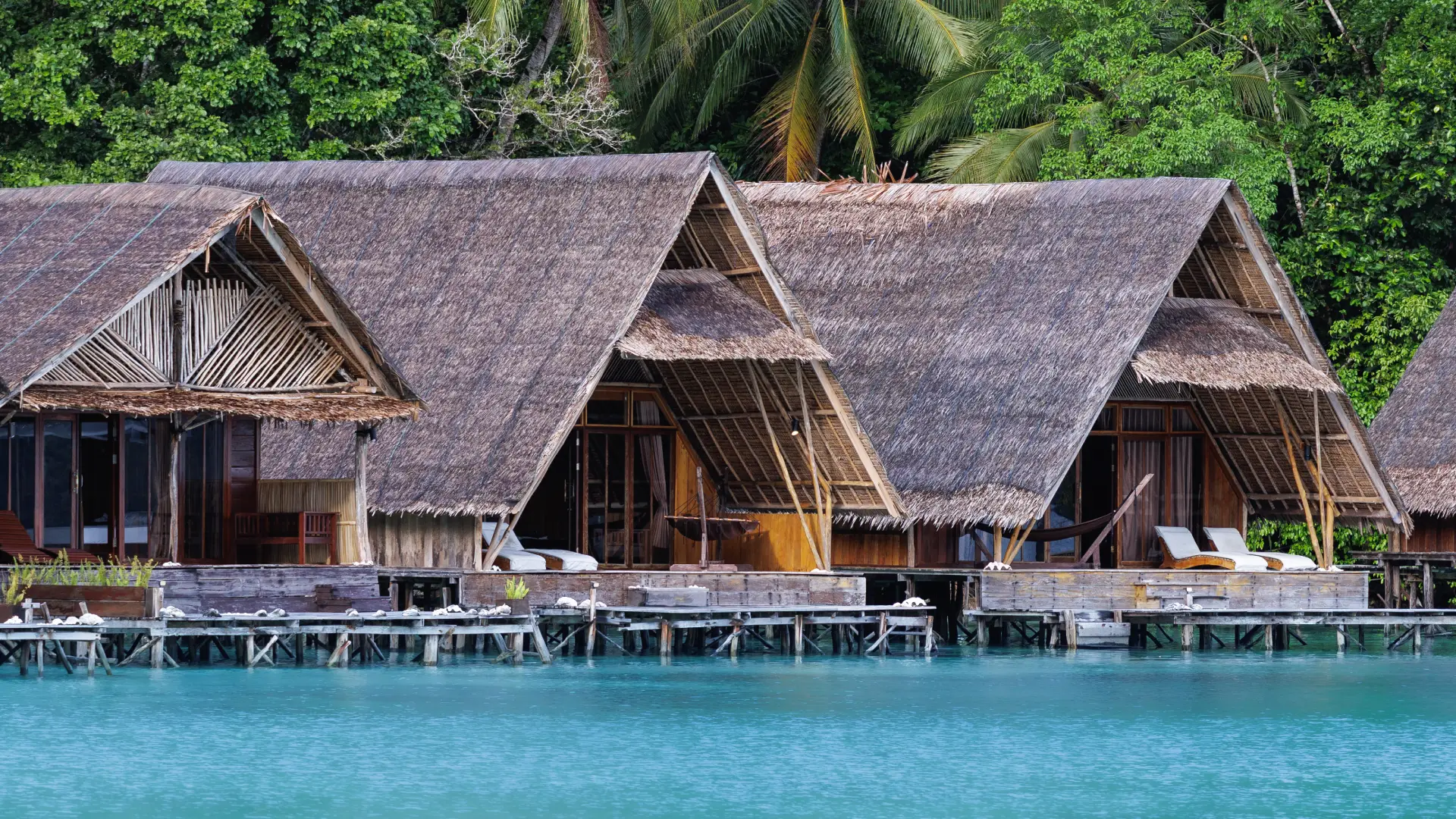
1. Eco-Friendly Bungalows Designed for Low Impact
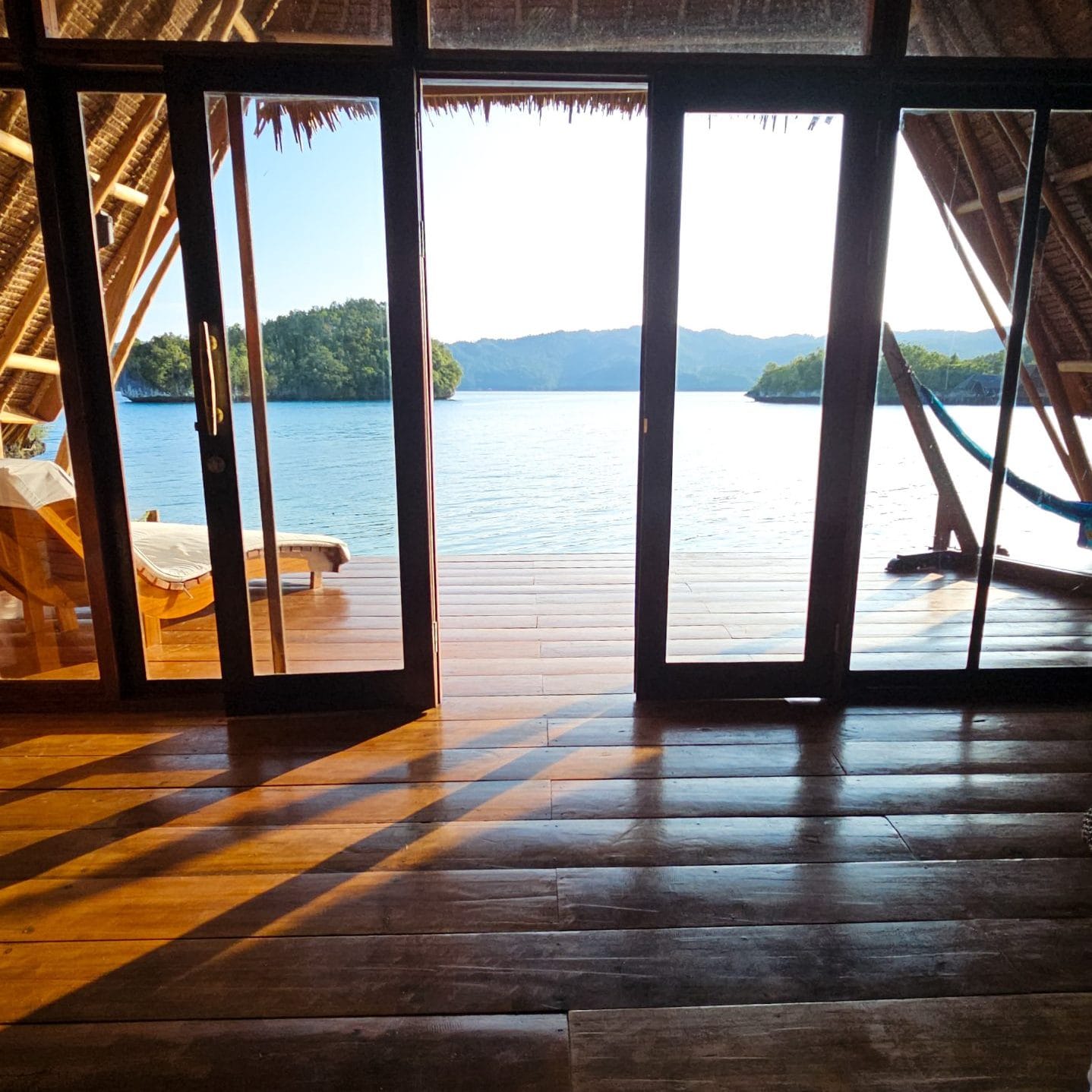
The resort’s bungalows are built with natural materials that blend seamlessly with the island’s landscape. By avoiding heavy concrete construction, Katembe minimizes damage to the surrounding environment while preserving the island’s natural beauty.
2. Energy-Efficient & Low-Carbon Living
Katembe reduces its carbon footprint through:
- Natural ventilation instead of air conditioning
- Low-energy lighting
- Conscious energy-use policies
This creates a peaceful island atmosphere while reducing pressure on local resources.
3. Waste Management & Water Conservation
Waste disposal is one of the biggest challenges on small islands. Katembe addresses this by:
- Sorting waste responsibly
- Reducing single-use plastics
- Using biodegradable products
- Conserving freshwater through efficient systems
These eco-friendly actions show that comfort and sustainability can coexist.
Coral Restoration in Raja Ampat: Katembe’s Marine Conservation Project
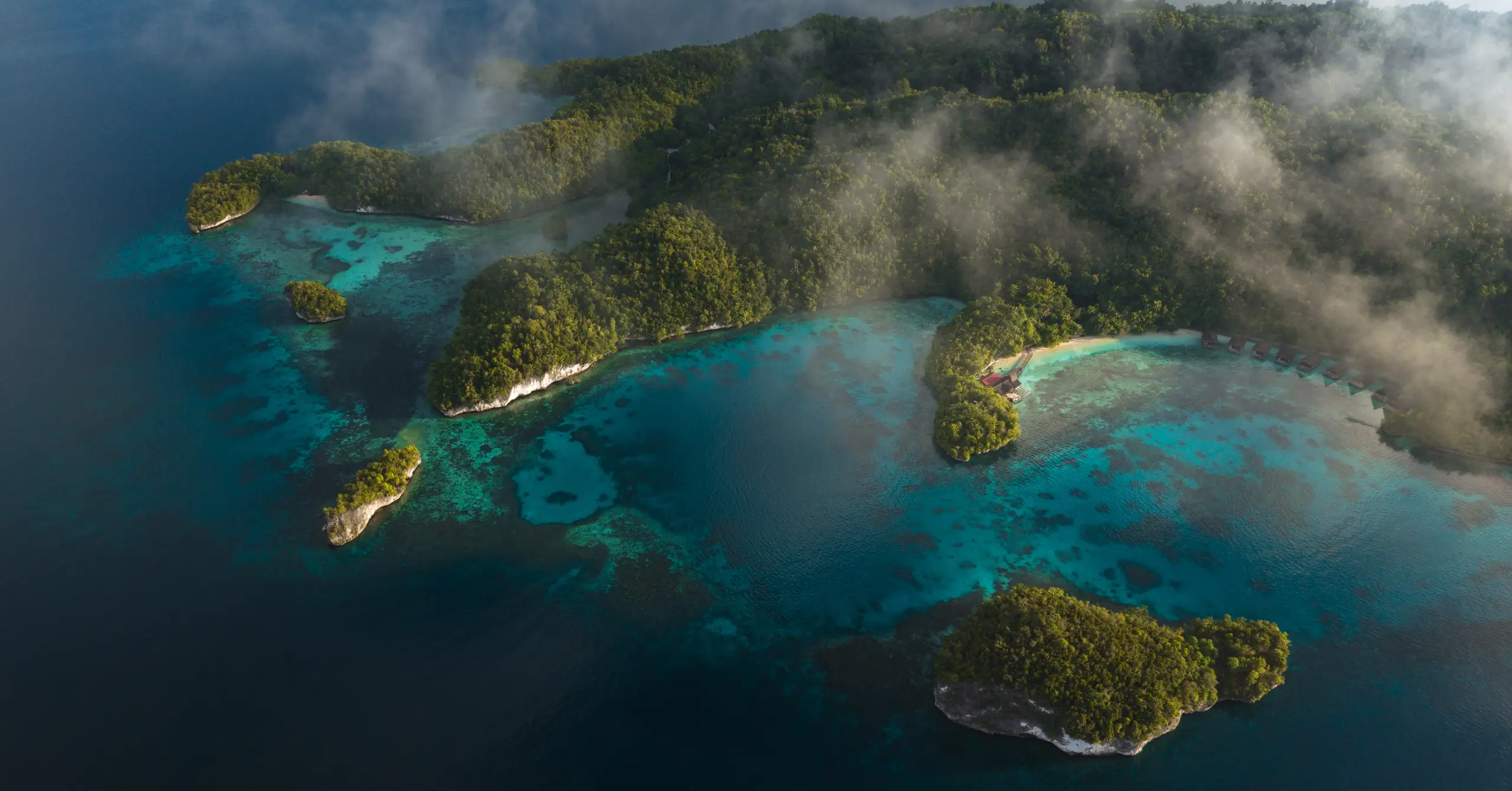
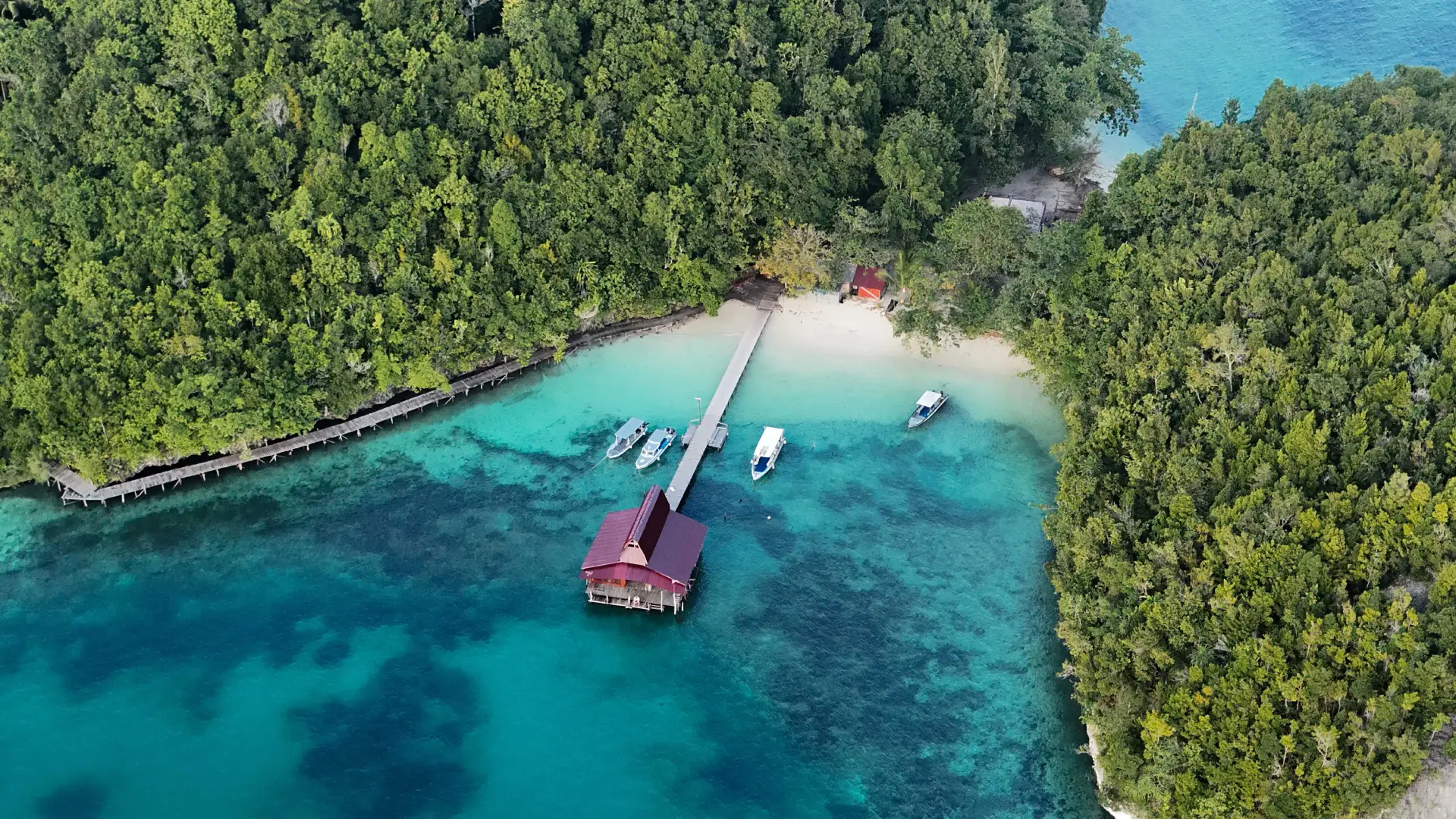
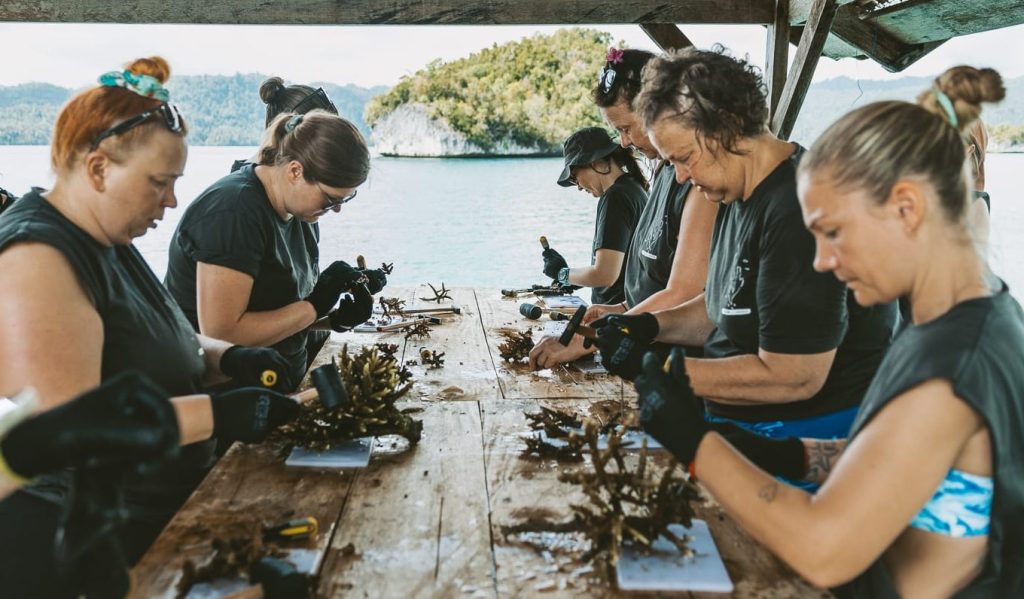
Raja Ampat is home to the world’s richest coral reefs, but even these resilient ecosystems face threats from warming oceans, pollution, and irresponsible tourism. To protect the reefs surrounding Kabui Bay, Katembe launched a coral restoration program in 2020.
1. Building Coral Nurseries
Coral fragments that are naturally broken or damaged by storms are collected and placed in underwater nurseries where they can grow safely.
2. Rehabilitating Damaged Reefs
Once matured, these corals are transplanted to degraded areas, helping rebuild reef structures and restore marine habitats.
3. Creating a Thriving Marine Ecosystem
Healthy coral reefs attract diverse marine life including reef fish, turtles, rays, and more. By restoring coral, Katembe strengthens the entire ecosystem that makes Raja Ampat globally unique.
Guests can even observe the coral nurseries while snorkeling — an unforgettable and educational experience.
Responsible Tourism Practices at Katembe Private Island
Raja Ampat is a sensitive ecosystem governed by strict conservation rules. Katembe fully embraces responsible tourism to ensure the region remains untouched for future generations.
Environmental Education for Guests
Visitors learn essential guidelines such as:
- Using reef-safe sunscreen
- Avoiding contact with corals and marine life
- Reducing waste
- Respecting local culture
Low-Impact Snorkeling & Diving Activities
All marine excursions are carefully managed:
- No anchoring in coral zones
- Limited boat usage to reduce fuel emissions
- Guides trained in marine protection techniques
Supporting Local Communities
Katembe contributes to local Raja Ampat villages by hiring residents, sourcing local products, and respecting indigenous knowledge on environmental management.
These practices ensure tourism benefits the environment and the community.
Why Sustainable Travel Matters in Raja Ampat
As tourism continues to grow, so do the risks:
- Coral reef degradation
- Pollution
- Wildlife disturbance
- Cultural disruption
By choosing sustainable resorts in Raja Ampat like Katembe Private Island, travelers actively support efforts to:
- Reduce environmental impact
- Protect marine biodiversity
- Restore damaged ecosystems
- Empower local communities
This is how Raja Ampat can remain a paradise for generations to come.
Katembe Private Island Sets the Standard for Eco Tourism in Raja Ampat
Katembe Private Island is more than an accommodation — it is a shining example of how sustainable travel should look in one of the world’s most precious marine environments. By choosing eco-conscious resorts, travelers help preserve Raja Ampat’s unrivaled natural beauty while enjoying an experience rooted in purpose, authenticity, and nature.
For anyone searching for a responsible, eco-friendly escape in Raja Ampat, Katembe proves that sustainable tourism is not only possible — it is truly unforgettable.
Related Articles
Ministry of Tourism Promotes Raja Ampat as a Bucket-List Diving Destination for the Australian Market
Ministry of Tourism Promotes Raja Ampat as a Bucket-List Diving Destination for the Australian Market The Ministry of Tourism of the Republic of Indonesia continues to strengthen Indonesia’s position as
Sustainable Travel in Raja Ampat: How Katembe Private Island Leads Eco-Friendly Tourism in Indonesia
Sustainable Travel in Raja Ampat: How Katembe Private Island Leads Eco-Friendly Tourism in Indonesia Raja Ampat is often described as the last paradise on Earth — a pristine region where
Raja Ampat: Indonesia’s Crown Jewel – 5 Must-Visit Spots in This Tropical Paradise
Raja Ampat, known as “The Crown Jewel of Indonesia,” offers stunning natural beauty. Five must-visit spots include the Wayag Islands for dramatic landscapes, Piaynemo Viewpoint for photography, Misool Island for diving, Arborek Village for cultural experiences, and Cape Kri for its incredible marine biodiversity.
Steps to Get PADI Certified
We offer complete diving packages with professional PADI-certified guides and high-quality equipment. Enjoy the underwater beauty of Raja Ampat without the hassle—just bring your dive gear and let’s dive in with confidence and international safety standards!
Top 5 Must-Visit Dive Sites in Raja Ampat
Discover the world-class diving paradise of Raja Ampat, located in West Papua. Home to over 1,500 fish species and 600 types of coral, Raja Ampat offers crystal-clear waters, vibrant reefs, and unforgettable dive sites like Cape Kri and Manta Sandy. Explore safely with Katembe Tour & Travel’s complete diving packages, featuring professional PADI-certified guides and top-quality equipment.